
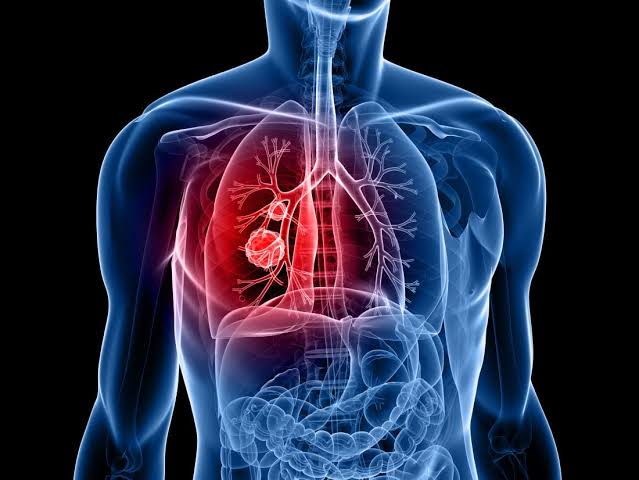
Lung cancer includes two main types: non-small cell lung cancer and small cell lung cancer. Smoking causes most lung cancers, but nonsmokers can also develop lung cancer. Explore the links on this page to learn more about lung cancer treatment, prevention, screening, statistics, research, clinical trials, and more.
Cancer prevention is the action taken to lower the chance of developing cancer. By preventing cancer, the number of new cancer cases in a population can be reduced, helping lower the number of deaths caused by the disease.
Scientists study both risk factors and protective factors to understand how cancer develops and how it can be prevented.
Some risk factors, such as smoking, can be avoided, while others, such as inherited genes, cannot. Healthy lifestyle choices like regular exercise and a balanced diet may help lower cancer risk.
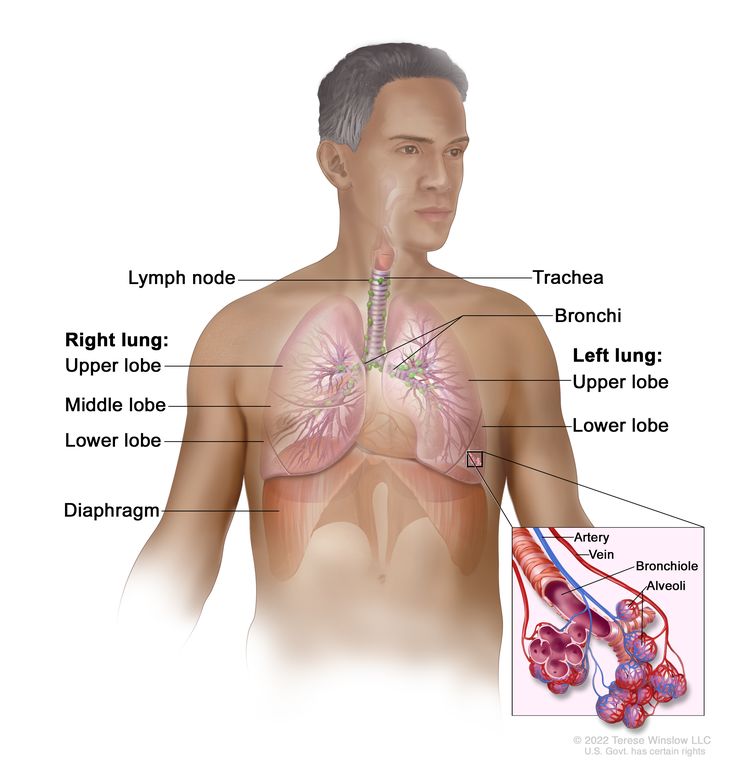
The lungs are cone-shaped breathing organs located in the chest. They supply oxygen to the body and remove carbon dioxide during breathing.
Each lung contains sections called lobes. The right lung has three lobes, while the left lung has two. The lungs are surrounded by a thin membrane called the pleura. Air enters the lungs through the trachea, passes into the bronchi, bronchioles, and finally reaches the tiny air sacs known as alveoli, where oxygen enters the bloodstream.
Tobacco smoking is the most significant risk factor for lung cancer. It causes approximately 9 out of 10 lung cancer cases in men and 8 out of 10 cases in women.
Research shows that smoking low-tar or low-nicotine cigarettes does not reduce the risk of lung cancer.
Exposure to secondhand smoke also increases the risk of lung cancer. Passive smokers inhale many of the same cancer-causing chemicals as active smokers.
People with a close relative who has had lung cancer may have nearly twice the risk compared to those without a family history.
People living with HIV have a higher risk of developing lung cancer, although smoking rates among HIV-positive individuals may also contribute to this increased risk.
Studies show that beta-carotene supplements may increase lung cancer risk in heavy smokers, especially those who also consume alcohol regularly.
The most effective way to prevent lung cancer is to avoid smoking entirely.
Quitting smoking lowers the risk of lung cancer. After 10 years of quitting, the risk decreases by approximately 30% to 60%, although it may never return to the level of someone who has never smoked.
Following workplace safety regulations and reducing exposure to asbestos, arsenic, nickel, chromium, and secondhand smoke can lower lung cancer risk.
Testing homes for radon and sealing cracks in foundations or basements can reduce exposure to this radioactive gas.
Eating plenty of fruits and vegetables may reduce lung cancer risk, although more research is needed.
Some studies suggest regular physical activity may lower lung cancer risk, but evidence is not yet conclusive.
Cancer prevention clinical trials study ways to lower cancer risk through lifestyle changes, medications, supplements, and other preventive strategies.
Researchers continue to investigate new methods for preventing lung cancer through ongoing clinical trials.
This patient-friendly summary is based on the National Cancer Institute's (NCI) Physician Data Query (PDQ®) database. It provides up-to-date, evidence-based information about lung cancer prevention and is reviewed regularly by experts.





Address: P.O. Box 66802, Phoenix, AZ, 85082, USA
Need Support?
(555) 123-4567
info@cancerloop.com